
It’s not about the romantic garland, but more about releasing the muck.
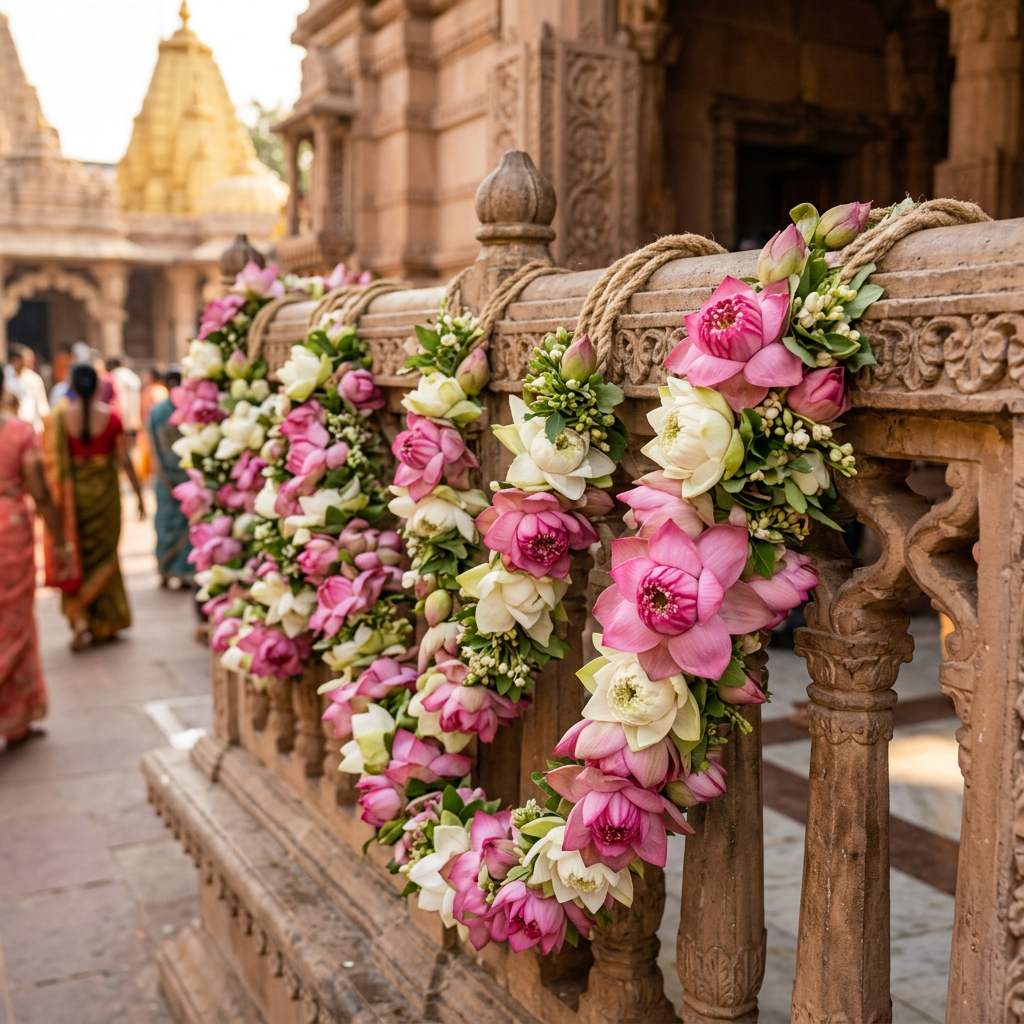
In many yoga classes, we are often invited to drop into a deep squat and explore Malasana, which is commonly translated as “Garland Pose.” This translation brings to mind lovely images of hanging flower necklaces, offering a beautiful, poetic focus for our practice. However, exploring the deeper layers of Sanskrit linguistics, human anatomy, and cultural history reveals a much more grounded purpose for this posture. It turns out the pose has less to do with floating garlands and much more to do with the functional, everyday science of our bodies. When we look past the romanticized translation, we find that Malasana is an ancient, highly intentional mechanism designed for the physical, mental, and spiritual process of letting go.
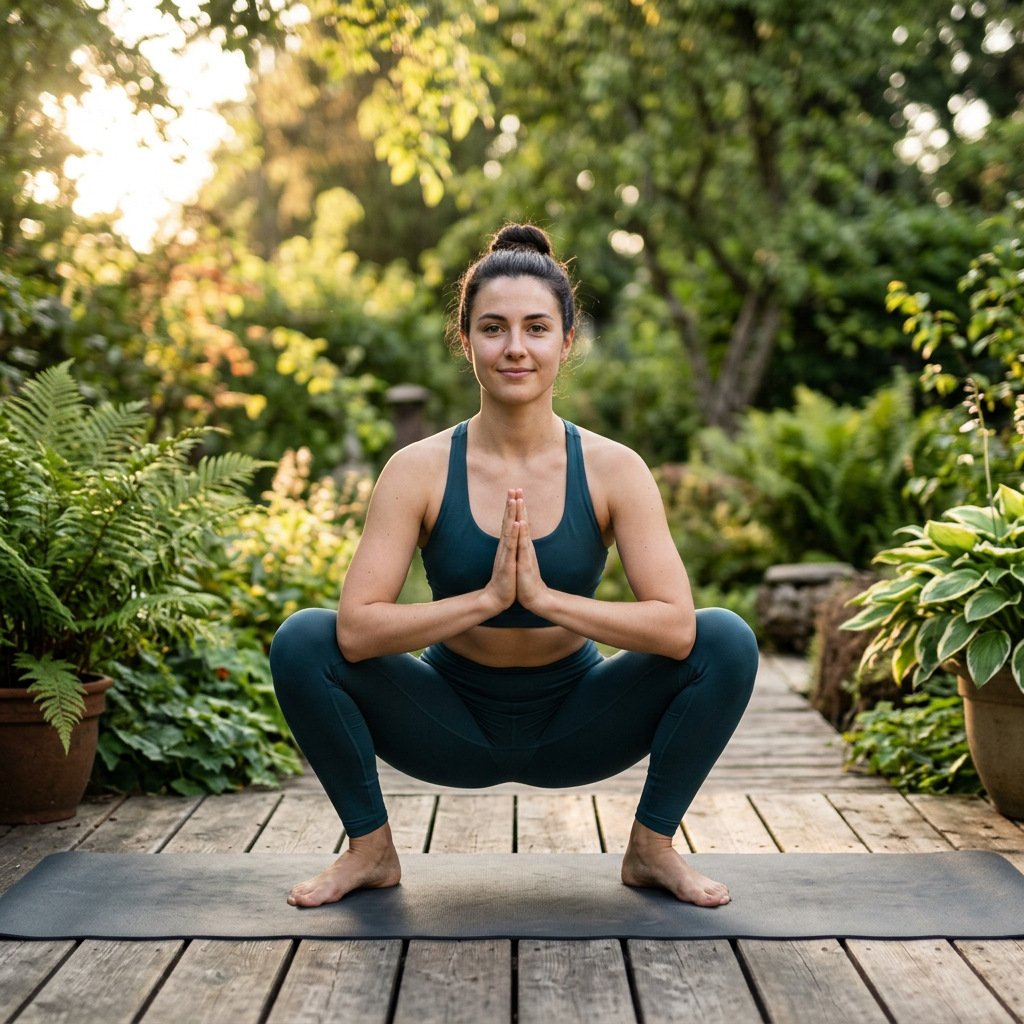
The shift in meaning comes down to a very subtle linguistic distinction. It is common to hear the name pronounced as Māālasana with a long “ā” sound. In Sanskrit, Mālā (माला) does mean a wreath or garland, which early translators likely favored to give the practice a gentle, universal appeal. However, the linguistic root of the posture actually features a short “a”: Mala (मल), which refers to muck, dust, or natural bodily waste. In this light, Malasana is traditionally the elimination or resting squat. This connection reflects a very practical reality. Across India and many parts of Asia, this deep squat has always been the universal, natural human posture for comfortable daily elimination and resting.
I understand looking at the next picture one would like to go back to the garland image.
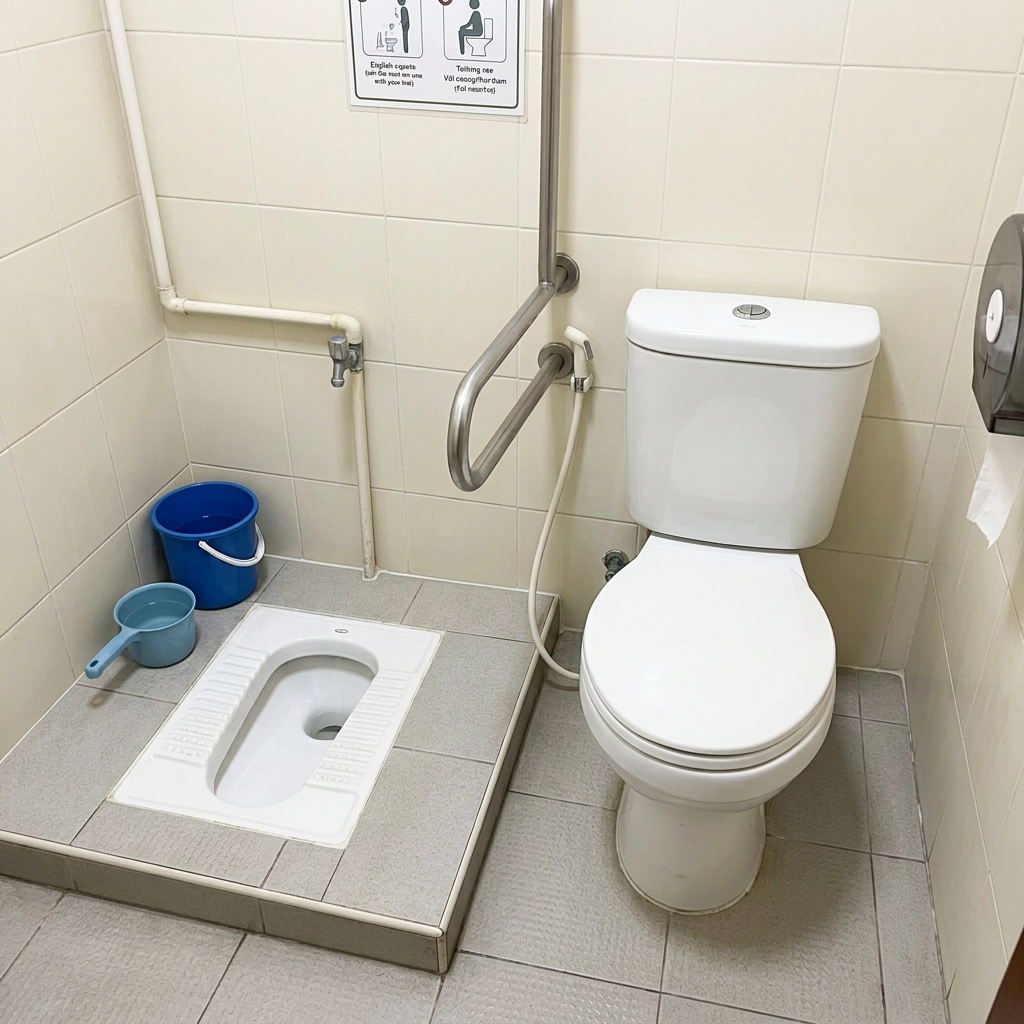
Rather than taking away from the practice, this physical function actually highlights the brilliant anatomical wisdom of early yoga. Modern physiology shows us that sitting at a standard 90 degree angle on modern chairs and toilets can actually constrict the lower body. In that position, a sling muscle called the puborectalis loops tightly around the rectum to maintain continence, which can cause us to strain. When we drop into the 35 degree angle of a deep Malasana, our thighs flex toward our torso, allowing that exact muscle to completely relax and lengthen. The pathway straightens out naturally, allowing gravity to clear the lower system without force. Ancient yoga simply encoded this healthy, necessary physical release into daily practice.
This physical clearing serves as a beautiful catalyst for our entire practice, perfectly mirrored by the metaphor of the lotus flower. Yoga beautifully weaves this biology together with our inner world. The lower half of the body grounds us and helps us clear out what we no longer need, creating the quiet internal space and physical lightness required for the upper body and mind to expand, breathe, and lift. Looking at Malasana this way shows us how beautifully yoga blends physics, biology, and mindfulness. It reminds us that our practice is designed to help us return to a state of Amala—a Sanskrit term meaning clear, stainless, and free of unnecessary weight. Gently stepping away from the “Garland” myth doesn’t lessen the pose; it connects us to a deeply supportive cycle of purification.
By grounding ourselves, relaxing the body, and quietly releasing the waste in our bodies, minds, and thoughts, we find our stability. This is why, if you want to think flower at the end of your practice, you shouldn’t think of a hanging garland. Look instead to the Sanskrit word for lotus: Kamala. When we break the word down, Ka means water, and Mala means the muck. The lotus is literally named after the very dirt it grows in, using that rich earth to anchor itself so it can rise entirely clean above the surface. I’d like to incorporate this idea in my practice. Be like the lotus, acknowledge the muck, release what holds you down, and rise beautifully to face the glowing sun.
 theinkybee.com